


Mental Health Facility Support Near Tukwila
THIRA Health supports Tukwila-area clients and families when weekly therapy is not enough and a structured DBT-based level of care may help.

More Structure Can Make The Next Step Easier To See
When someone in Tukwila needs more support, the search can quickly become overwhelming. Families may be trying to understand symptoms, program types, transportation, timing, and whether a higher level of care is needed.
THIRA gives that conversation a steadier frame. We help identify what kind of support may fit now and whether DBT-based care in Bellevue is the right direction.
Structured THIRA Programs Near Tukwila
Tukwila-area clients can access THIRA programs in Bellevue, including residential treatment, PHP, IOP, and virtual IOP, with teen and adult program options based on eligibility. Each level offers a different amount of structure, support, and skill practice.
PHP
Highly structured daytime treatment with DBT skills, therapy, and coordinated treatment planning.
IOP
Flexible DBT-based support for clients who need more than weekly therapy while staying connected to daily life.
Residential Treatment
A supportive live-in setting with daily structure, clinical support, and repeated skill practice.
Teen Programs
Developmentally informed care for adolescents, young adults, and families navigating mood, anxiety, safety, school, and family stress.
Structured Mental Health Care Near Tukwila, Centered In Bellevue
Tukwila families may be looking for a program that is close enough to feel reachable and structured enough to create real support. THIRA Health serves clients from Tukwila and nearby communities when residential treatment, PHP, IOP, or virtual IOP, with teen and adult program options based on eligibility may be a fit.
The goal is not to make families guess the right program. The goal is to understand what is happening, match the level of care to the need, and help clients practice skills that can hold up outside treatment.
Serving Bellevue, Seattle, Tacoma, And Communities Across Washington
THIRA Health is located in Bellevue and serves clients throughout the greater Seattle area and across Washington. Many families want expert treatment without feeling disconnected from home, school, work, or ongoing outpatient support.
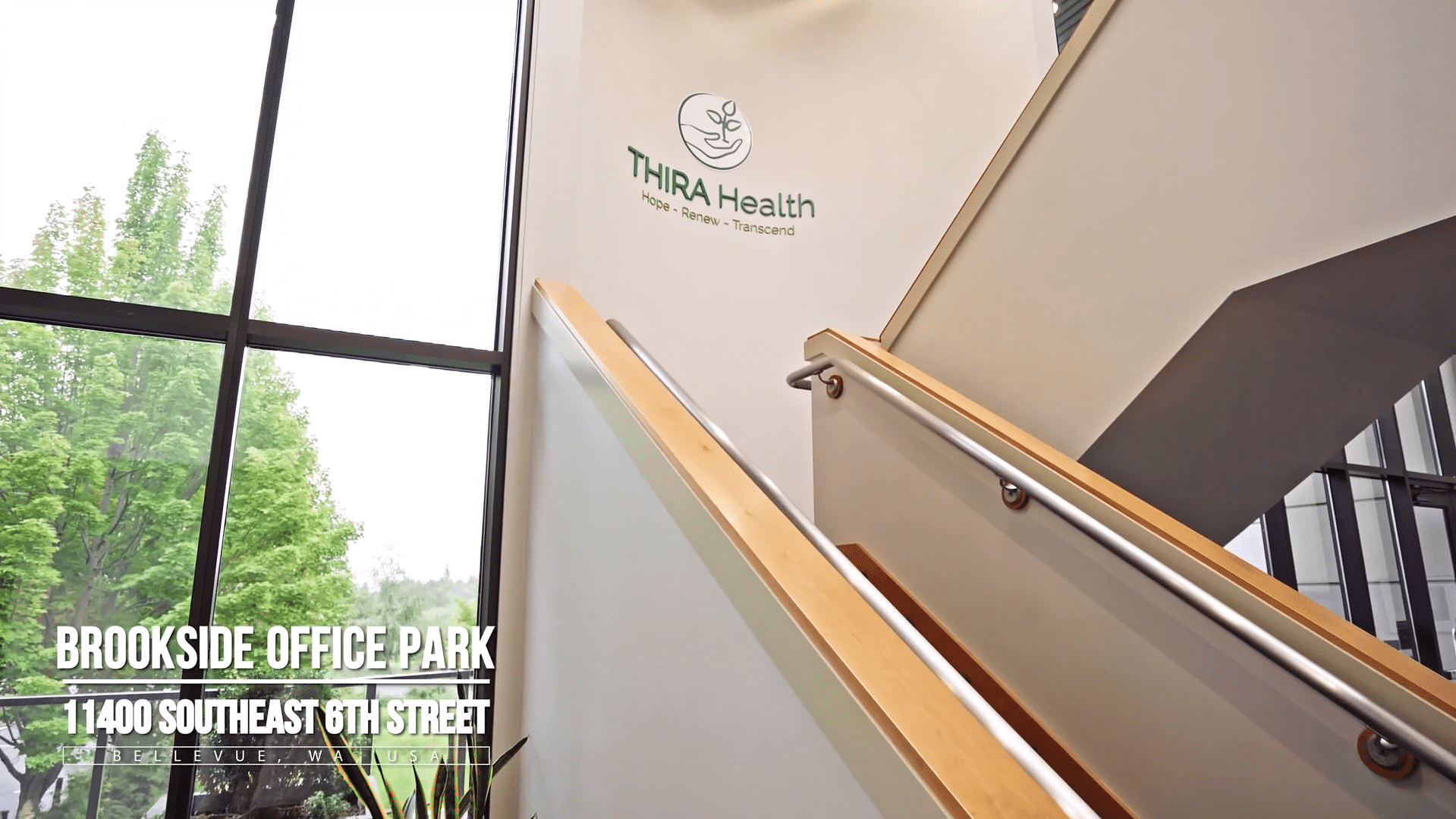
11400 SE 6th Street, Bellevue, WA
Explore nearby THIRA location pages:
Support verifying insurance details.
What people say about THIRA
Clients And Families Often Remember The Same Things: Skills, Care, And Hope
We are grateful when clients and families share what stayed with them after treatment. Again and again, we hear about DBT tools that carry into daily life, staff who showed up with care, supportive peers, and the relief of having a clearer path forward.
“I now know how to set boundaries.”
This is the kind of practical change we hope treatment makes possible: learning skills for hard conversations, wise mind, boundaries, and interpersonal effectiveness that clients can reach for when real life gets difficult.
Skills that carry forward
Clients often describe using DBT skills after treatment, especially when emotions, relationships, or daily stress feel intense.
Care People Remember
People frequently remember therapists, nurses, technicians, intake staff, and peers who helped treatment feel possible.
Trusted DBT care
Referring clinicians look to THIRA when someone needs DBT-focused care and more structured support than weekly therapy.
What THIRA Helps Clients Work Through
THIRA supports people when mood, anxiety, emotion regulation, safety, relationships, or routines are becoming hard to manage and practical skills need to be practiced more often.
Mood and anxiety
- Depression or low motivation
- Anxiety, panic, or constant worry
- Bipolar disorder and mood instability
Emotion and safety
- Intense feelings that feel hard to control
- Self-harm urges or unsafe coping patterns
- Difficulty pausing before reacting
Trauma and relationships
- Trauma-related distress
- Relationship conflict or isolation
- Boundary-setting challenges
When weekly therapy is not enough
- Symptoms disrupting daily life
- More frequent emotional crises
- Need for coordinated support
A Clear, Supportive Process From First Call To Next Steps
The process starts with a conversation. We listen for what is most urgent, talk through the level of support that may fit, and help Tukwila-area families understand options without guessing alone.
We listen
Admissions starts by learning what has been happening and what feels urgent.
We clarify fit
The team reviews program options, schedule needs, clinical needs, and insurance verification details.
We recommend care
If THIRA is a fit, we help identify the level of care that can provide the right structure.
We plan next steps
Clients and families receive guidance on admissions, timing, and support.
A More Organized Way To Choose Support
For Tukwila-area clients, THIRA offers a structured path into DBT-based care without making families guess which program is right. Admissions helps translate what is happening into a practical next step.
How the first call works
1. Tell us the story. We start with what has been going on and what has made you look for more support now.
2. Sort the level of care. We discuss whether residential treatment, PHP, IOP, virtual IOP, or another referral may fit.
3. Plan the handoff. When THIRA is a fit, we outline admissions steps and help keep the process moving.