


An Outpatient Program for Teens That Builds Skills, Safety, and Stability
THIRA Health supports teens through a developmentally informed outpatient program, PHP, IOP, and residential treatment options in Bellevue.

Seeking Help Can Feel Foggy. The First Step Should Feel Clear.
Many people reach out to THIRA after trying to hold things together for a long time. You may know you or your loved one needs more support, but not know which program, schedule, diagnosis, or next step makes sense.
That is okay. Our role is to help make the path easier to understand, with care that is structured, compassionate, and steady enough to support the next step.
Teen Outpatient Program Options at THIRA Health
Teen Programs
Developmentally informed outpatient care for adolescents and young adults, with attention to mood, anxiety, self-harm urges, family stress, and school pressures.
PHP
A highly structured daytime program when a teen needs intensive support and coordinated treatment planning.
IOP
A flexible outpatient mental health program for continued support, skills practice, and treatment momentum.
Residential Treatment
A supportive live-in setting when a young person needs 24/7 structure and residential support.
What people say about THIRA
Clients and Families Often Remember the Same Things: Skills, Care, and Hope
We are grateful when teens, young adults, and families share what stayed with them after treatment. Again and again, we hear about DBT tools that carry into daily life, staff who showed up with care, supportive peers, and the relief of having a clearer path forward.
Featured review
"I now know how to set boundaries."
This is the kind of practical change we hope treatment makes possible: learning skills for hard conversations, wise mind, boundaries, and interpersonal effectiveness that clients can reach for when real life gets difficult.
Skills that carry forward
"I continue to use the DBT skills I learned."
We love hearing when clients keep using DBT skills after treatment: in relationships, during anxiety or depression, and in the small daily moments where stability is built.
Care People Remember
"People here care."
Clients often name the people around them: therapists, nurses, technicians, intake staff, and peers who helped treatment feel possible when things were hard.
Trusted DBT care
"Experts in DBT."
We also value the trust of referring clinicians who look to THIRA when someone needs DBT-focused care and more structured support than weekly therapy can provide.
Skills for Real-Life Change, Not Just Insight
DBT is central to treatment at THIRA Health. Clients practice concrete tools for mindfulness, distress tolerance, emotion regulation, and relationship effectiveness so the work can continue outside of sessions.
That skill-based approach gives clients a shared language, a steady structure, and practical ways to respond when life gets difficult.
For families searching for an outpatient program for teens, this structure can help bridge the gap between weekly therapy and more intensive support, while still keeping treatment connected to home, school, and family life.
Our teen outpatient program is built to help families understand the next step without needing to know the exact diagnosis, schedule, or level of care before reaching out.
THIRA may be a fit when:
- Weekly therapy has not been enough support.
- Symptoms are affecting school, work, relationships, or daily routines.
- You want a program that combines compassion with practical skill practice.
- You need help understanding what level of care makes sense.
Support for the Concerns That Can Make Daily Life Feel Unmanageable
People come to THIRA for many different reasons. What they often have in common is the need for more structure, more support, and more practice using skills in the moments that matter.
Mood and anxiety
- Depression or persistent sadness
- Anxiety, panic, or excessive worry
- School avoidance or loss of motivation
Emotion and safety concerns
- Self-harm urges or unsafe coping
- Intense emotional swings
- Trouble calming down after conflict
Family and relationship stress
- Parent-child conflict
- Peer stress or isolation
- Stress around identity, school, or transitions
When weekly therapy is not enough
- Needing more structure during the week
- A higher level of support without hospital-based care
- A step-down plan after crisis stabilization
A Clear, Supportive Process From First Call to Next Steps
Reaching out can feel like a big step. Our goal is to make the process understandable from the beginning, so you know what we are looking at, why we may recommend a certain level of care, and how treatment helps clients practice skills they can use outside of THIRA.
We listen
Admissions starts by learning what has been happening, what feels urgent, and what kind of support may be needed.
We clarify fit
The team reviews program options, schedule needs, clinical needs, and insurance verification details.
We recommend care
If THIRA is a fit, we help identify the level of care that can provide the right structure.
We plan next steps
Families and clients receive guidance on what happens next, including admissions, timing, and support.
Serving Bellevue, Seattle, and Communities Across Washington
Families come to THIRA when weekly therapy is not enough and a teen outpatient program may offer the structure, skills practice, and clinical support needed for a steadier path forward.
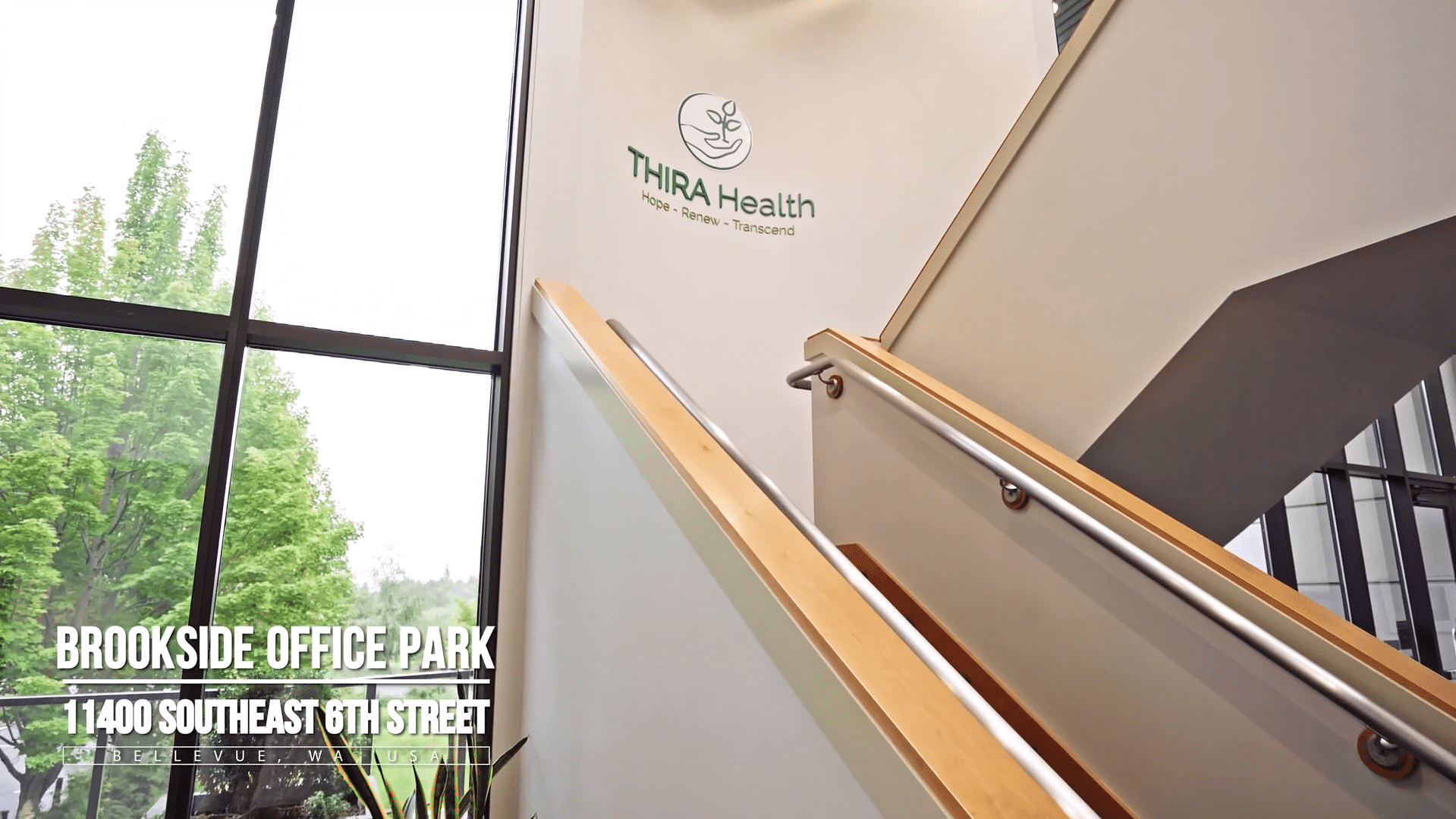
11400 SE 6th Street, Bellevue, WA
Seattle, Redmond, Kirkland, Renton, Issaquah, Tacoma, Everett, and beyond.
Support verifying insurance details.
An Outpatient Program For Teens Can Support The Young Person And The Family Around Them
Parents may notice withdrawal, emotional intensity, self-harm urges, conflict, school avoidance, or routines becoming harder to maintain. You do not have to arrive with a perfect explanation. The first conversation can focus on what you are seeing and what support your teen has already tried.
Teen programming should account for development, autonomy, peer relationships, family dynamics, and the pressures surrounding school.
DBT-based treatment gives teens practical ways to respond to distress, communicate needs, and navigate intense emotions.
Parents and caregivers need understandable guidance about program fit, participation, safety, and what support can look like outside treatment hours.
Find the Right Level of Support With a Team That Knows the Path Forward
THIRA Health gives clients and families a structured path forward through DBT-based PHP, IOP, and residential treatment. From our Bellevue location, we help people build practical skills, stabilize daily life, strengthen relationships, and understand which level of care fits their current needs.
What happens when you call?
1. We listen. Tell us what has been happening and what feels urgent.
2. We clarify fit. We talk through programs, scheduling, and insurance verification.
3. We name the next step. If THIRA fits, we help move the admissions process forward. If not, we help point you toward the right kind of support.