


Mental health facility near North Bend, Washington
DBT-Based Mental Health Care Near North Bend, Washington
For North Bend-area clients, THIRA Health provides a Bellevue-based option when emotional intensity, unsafe coping, or repeated disruption calls for more than a weekly appointment. Programs include residential treatment, PHP, IOP, and virtual IOP, with teen and adult program options based on eligibility.
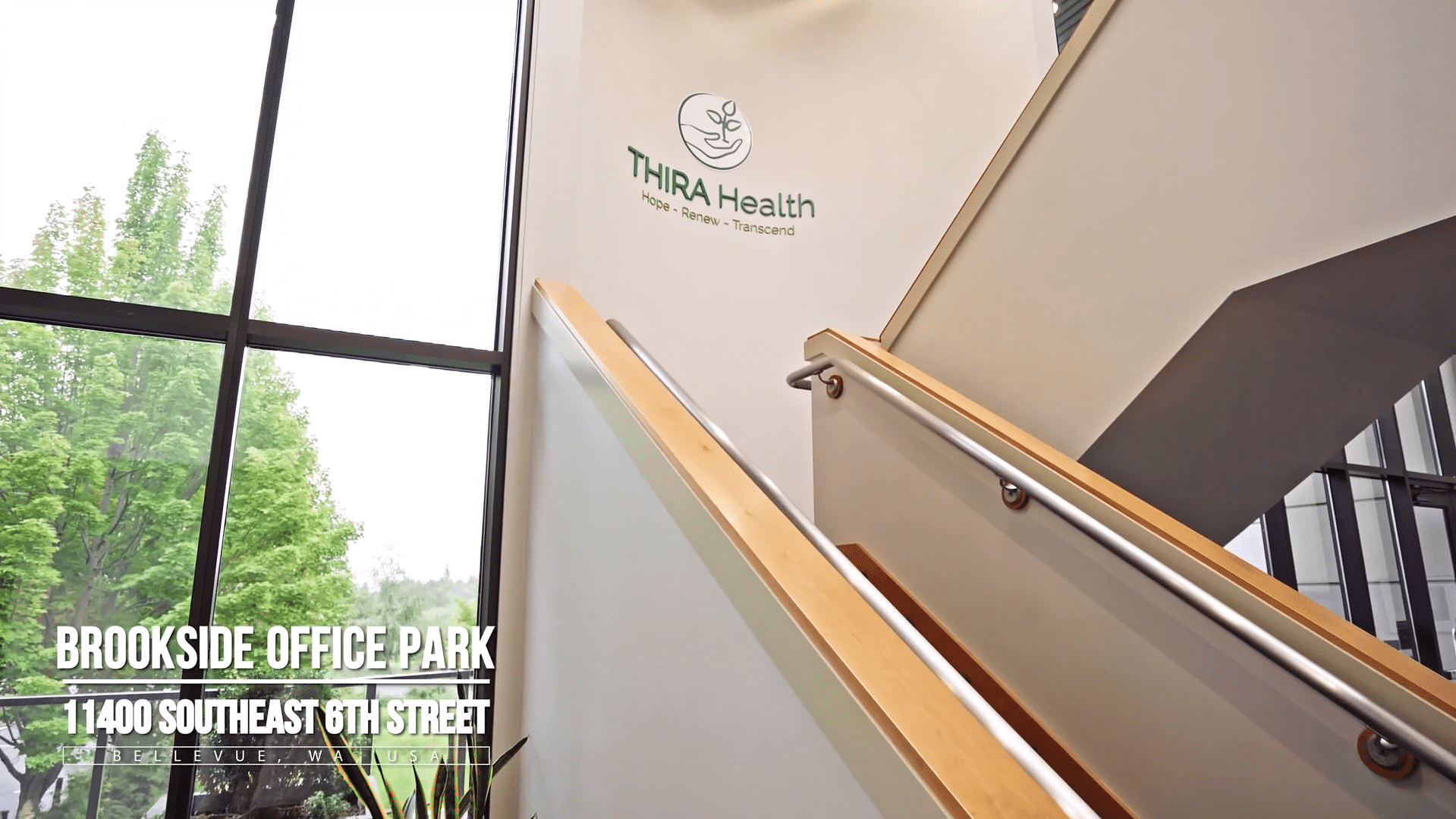

A calmer place to begin
Finding More Support Does Not Mean Starting Over
Many clients come to us after meaningful work with an individual therapist, school team, prescriber, or family support system. More structured care can build on that effort by adding repetition, coordination, and a steadier rhythm of skills practice.
You do not need to know the right program name before reaching out. Our role is to help make the choices understandable and identify whether THIRA may be a fit.
Compare levels of care
THIRA Programs Available To North Bend-Area Clients
All THIRA programs are based in Bellevue. Admissions helps families compare the amount of structure, daily support, and time in treatment that may fit the current situation.
Residential Treatment
A supportive live-in environment with around-the-clock residential support, daily structure, clinical care, and repeated skill practice.
Partial Hospitalization Program (PHP)
Highly structured daytime care with therapy, DBT skills practice, and coordinated planning while clients live at home.
Intensive Outpatient Program (IOP)
Structured treatment for clients who need more than weekly therapy while remaining connected to daily life.
Virtual Intensive Outpatient Program (VIOP)
Virtual DBT-centered IOP options for eligible adults who can safely participate from home.
Teen and adult program options vary by age, clinical needs, safety, eligibility, and current availability. Admissions can clarify both the appropriate level of care and the available track.
When more support may help
When Snoqualmie Valley Families Begin Looking East And West
The decision often becomes less about finding any program and more about finding the right clinical structure. THIRA may be worth exploring when DBT specialization, coordinated levels of care, and family guidance are central priorities.
The person understands what may help but cannot reliably access those tools during high-stress moments.
School, work, relationships, recreation, or independence are becoming harder to maintain.
More coordinated care can help people respond with greater consistency when emotions escalate.
What clients and families remember
Care That Leaves People With Skills, Support, And Hope
We are grateful when clients and families share what stayed with them after treatment: practical DBT tools, people who showed up with care, and a community that made difficult work feel possible.
Featured client reflection
“I now know how to set boundaries.”
This is the kind of practical change DBT-based care is designed to support: skills clients can use during relationships, conflict, distress, and everyday decisions.
Skills that carry forward
“I continue to use the DBT skills I learned.”
Clients describe reaching for DBT tools after treatment, especially when emotions or relationships become difficult.
Care people remember
“People here care.”
Reviews often recognize the therapists, nurses, support staff, intake team members, and peers who helped treatment feel possible.
Trusted DBT support
“Experts in DBT.”
Referring clinicians and families look to THIRA when someone needs specialized DBT care and more structure than weekly therapy.
The people behind treatment
A Team That Brings Skill, Warmth, And Steadiness To Care
For North Bend-area clients, trust in a program also means trust in the people who will be present during difficult moments. THIRA’s team works to pair clinical structure with respect, direct communication, and compassion.
Depending on program and individual need, treatment may involve therapists, psychiatric providers, nursing, nutrition support, and program staff working around a shared plan.
Team members help clients move from understanding a skill to trying it during the emotions, relationships, and decisions that make change difficult.
When family participation is part of care, the goal is to make communication, expectations, and next steps more understandable.
Mental health concerns THIRA supports
Support For Concerns Affecting Daily Life In North Bend
People reach THIRA with different diagnoses, histories, and goals. What often connects them is a need for more structure, more skills practice, and more coordinated support than weekly therapy currently provides.
Mood And Anxiety
- Depression and low motivation
- Anxiety, panic, and persistent worry
- Bipolar disorder and mood instability
Emotion And Safety
- Intense emotions that feel difficult to regulate
- Self-harm urges or unsafe coping patterns
- Repeated crises or difficulty pausing before reacting
Trauma And Relationships
- Trauma-related distress
- Conflict, isolation, or boundary challenges
- Family communication under pressure
How treatment begins
A Clear Process From First Call To A Recommended Next Step
Share what is happening
Admissions listens to current concerns, safety, functioning, and what support has already been tried.
Clarify practical needs
We discuss age, schedule, location, family involvement, and support verifying insurance details.
Compare program fit
The team explains whether residential treatment, PHP, IOP, virtual IOP, or another referral may fit. Teen and adult program options are considered separately based on eligibility and clinical needs.
Plan the next action
If THIRA fits, we outline admissions. If it does not, we help clarify what type of support to seek.
the Snoqualmie Valley to Bellevue
An I-90 Connection To Bellevue-Based Mental Health Treatment
North Bend families can reach Bellevue through the I-90 corridor. Traffic and the frequency of daytime care can affect the plan, but the Eastside connection keeps specialized treatment within regional reach.
THIRA Health is located at 11400 SE 6th Street, Suite 200, Bellevue, Washington. We also serve people from Snoqualmie, Issaquah, Sammamish, Bellevue, and Fall City.
Travel times vary by departure time, traffic, service changes, and route. Open Google Maps for current directions.
Frequently asked questions
Questions From North Bend-Area Families
Is THIRA Health located in
No. THIRA Health is located in Bellevue and serves clients from North Bend and communities across Washington who can access care from our Bellevue location.
What programs can North Bend-area clients access?
THIRA offers DBT-based residential treatment, PHP, IOP, and virtual IOP, with teen and adult programs based on eligibility and clinical fit. Admissions can help compare which level may fit.
Can I call if I am unsure whether THIRA is the right fit?
Yes. You can begin by describing what has been happening. The admissions team can discuss program fit, scheduling, the Bellevue location, and insurance verification.
Where does treatment take place?
THIRA’s programs are based at our Bellevue location. Admissions can explain the schedule, what participation involves, and how families from North Bend may plan for access.
Take the next step
Turn A Broad Search Into A More Focused Next Step
You can begin with the concerns that are most visible today. Admissions will help compare clinical fit, program structure, insurance verification, and travel from North Bend.