


Trauma and PTSD treatment in Washington
Trauma and PTSD Treatment in Washington
Trauma can impact sleep, relationships, attention, safety, and the way the body responds to everyday life. THIRA Health offers structured, DBT-centered care to build stability and skills while an individualized treatment plan takes shape.
Based in Bellevue, THIRA Health serves Seattle and surrounding Puget Sound communities. Admissions can help you find the right program and confirm where care takes place.
Discuss trauma and PTSD care.
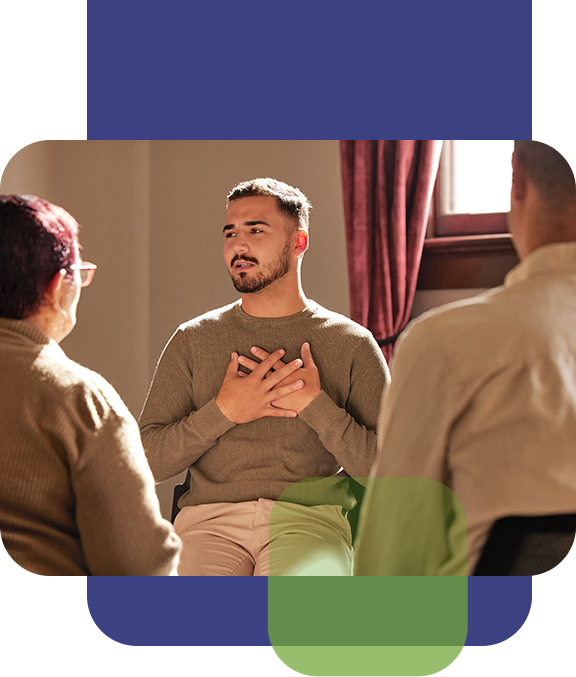
Your pace matters
Treatment can begin with safety, trust, and the ability to stay present without forcing a story before you are ready.
Care moves at a clinically appropriate pace
Stability and Choice Come Before Deeper Trauma Work
Treatment does not require immediate or forced disclosure of traumatic experiences.
Trauma responses are not personal failures
Survival Strategies Can Outlast the Danger
After trauma, the nervous system may continue to respond as though danger is close. Some people feel constantly alert; others feel numb, detached, or far away. Trauma-related symptoms and PTSD overlap, but they are not interchangeable, and not every painful experience leads to the same diagnosis.- Intrusive memories or nightmares
- Avoidance of reminders
- Hypervigilance or feeling easily startled
- Emotional numbness or disconnection
- Shame, guilt, or self-blame
- Sleep and concentration problems
- Relationship or boundary difficulties
- Depression, anxiety, eating concerns, or self-harm urges
A foundation for deeper work
DBT-Centered Stabilization Can Help Create Room to Heal
THIRA Health’s DBT-centered programs focus first on safety, stabilization, emotional regulation, and daily functioning. Trauma-specific methods, when clinically appropriate and currently available, are selected within an individualized treatment plan. DBT skills can support readiness for deeper work, but we do not assume DBT replaces trauma-focused therapies or that every trauma survivor needs the same approach.For loved ones
Support Safety Without Pressing for Details
Loved ones can help by respecting the person’s pace and asking what makes the present moment feel more grounded. Support does not require a complete account of what happened.
- Listen without demanding disclosure or questioning why a person responded the way they did.
- Ask what helps with grounding, space, practical support, and communication during difficult moments.
- Use treatment to practice validation, boundaries, repair, and a shared understanding of safety.
Finding the right structure
Explore Levels of Care
A trauma history alone does not determine level of care. Current safety, functioning, symptom intensity, support systems, and readiness all matter. Admissions helps determine whether THIRA Health is an appropriate fit and which available program may offer the right amount of structure.
Residential treatment
Around-the-clock residential support in a therapeutic setting for clients who need more support and daily structure, but not acute hospital stabilization. Explore residential carePartial hospitalization (PHP)
A highly structured daytime program that brings therapy, DBT skills, and coordinated support into a consistent weekly rhythm. Explore PHPIntensive outpatient (IOP)
Focused treatment with more flexibility for clients who can safely practice skills while remaining connected to home, school, work, and community. Explore IOP options
Care with steadiness and respect
A Team That Understands Trauma Can Affect the Whole Person
Our team looks at more than symptoms on a checklist. Sleep, nourishment, physical health, relationships, identity, daily routines, and the environment around a person can all influence recovery. Depending on the plan, care may include therapy, psychiatry, nursing, nutrition support, family involvement, expressive therapies, mindfulness, movement, and community-based practice.What clients and families remember
Care That Helps Safety and Trust Grow at a Workable Pace
People often remember being met with steadiness, learning grounding and boundary skills, and having space to move at a pace shaped by safety and readiness.
Featured review
“I now know how to set boundaries.”
A former THIRA Health client described a practical skill that continued beyond treatment.
“The therapists are great and genuinely care about us.”
“I continue to use the DBT skills I learned.”
“This treatment center welcomed me and made me feel valued and cared for as an individual.”
Shared by former THIRA Health clients. Individual experiences and outcomes vary.
Questions families ask
Clear Answers Before You Decide
Treatment decisions can carry a lot of uncertainty. These answers are a starting point; admissions can speak with you about individual fit.
Does THIRA Health serve Seattle and nearby Eastside communities?
What is the difference between trauma and PTSD?
Does THIRA Health provide trauma-focused therapy?
Can trauma and other conditions be treated together?
Will I have to tell my trauma story right away?
How is level of care chosen?
A steadier next step can start here
You Deserve Support That Sees More Than What Happened to You
Healing can start with feeling safer in the present and more confident about the next step. Call (425) 454-1199 or contact THIRA Health to talk through what support may fit now.